hessnatur Logohessnatur Logo
Icon wishlist-heart
Icon shopping-bag
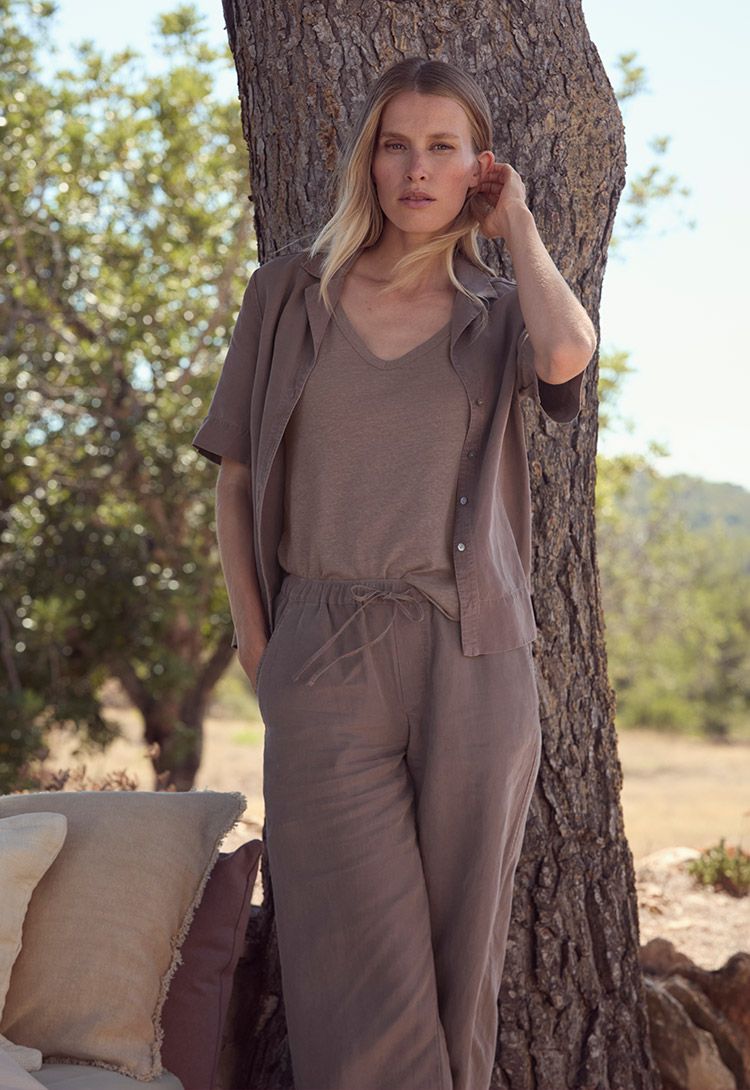
Premium linen: Naturally full of character

A minimalist design in subtle natural tones: 100% linen and selected blends featuring the characteristic texture of the natural fibre. Light to the touch and comfortable to wear.

Linen at hessnatur: The difference

  • Cooling on hot days, as it absorbs up to 35% humidity

  • Easy to care for and resistant to pilling

  • Breathable and comfortable to wear

  • Now also available in innovative blends for added softness and luster

  • Spun directly from whole flax fibres, our linen does not contain chemically produced regenerated fibres

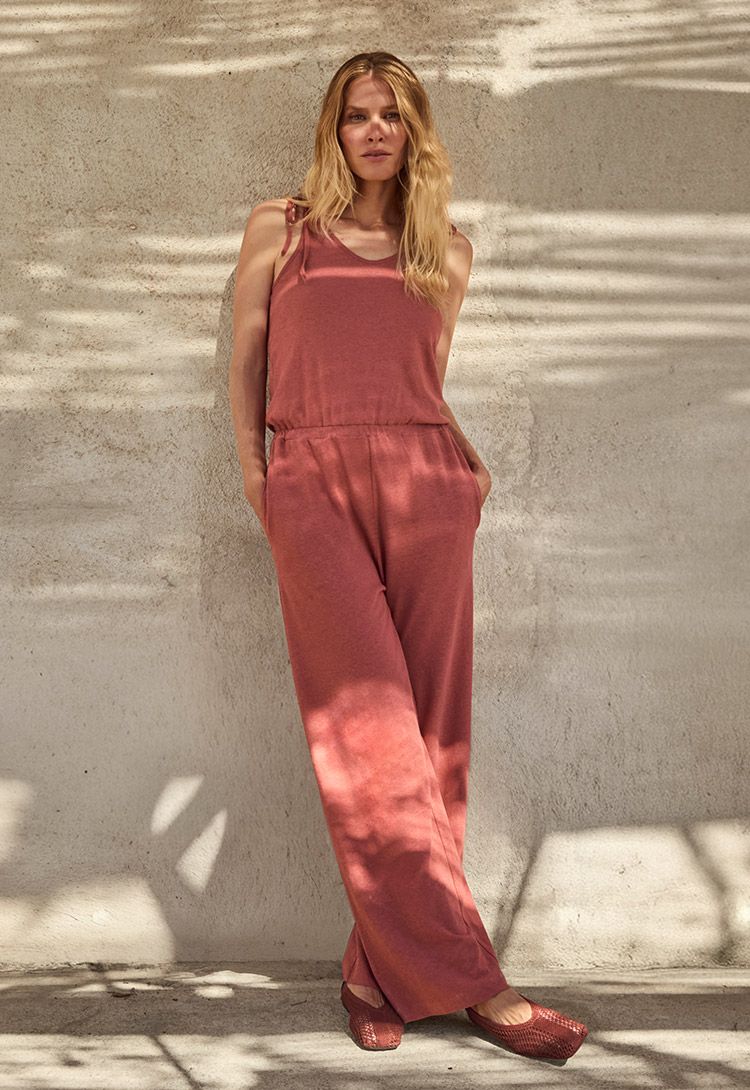
New colors. New look.

Warm terracotta red and vibrant moss green add a modern touch: this premium natural fibre is light and pleasant to the touch, making it ideal even on warm days.

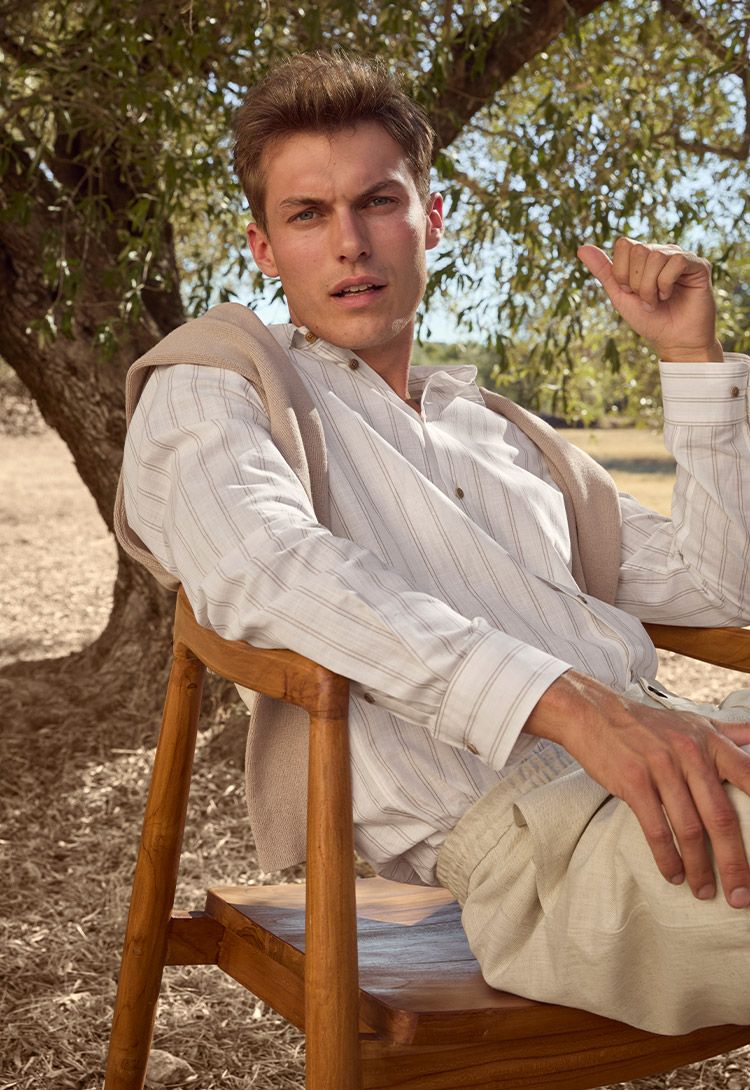
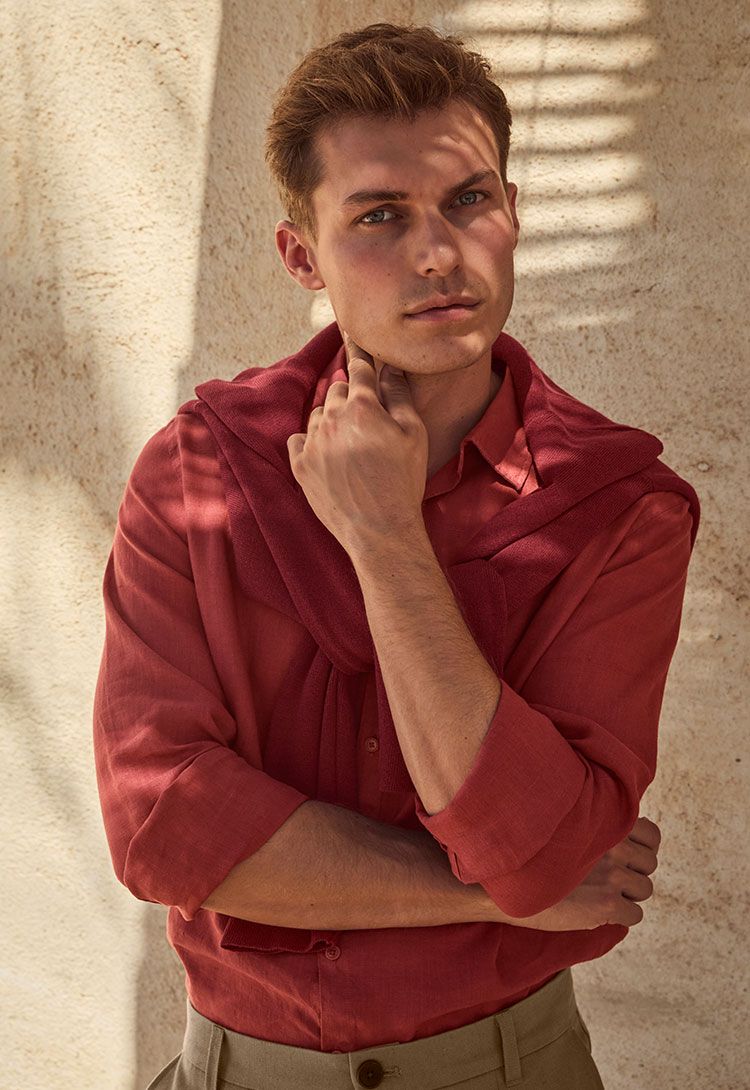
Classic linen for him

Pleasantly cool against the skin: Discover elegant, muted shades for a minimalist linen look.

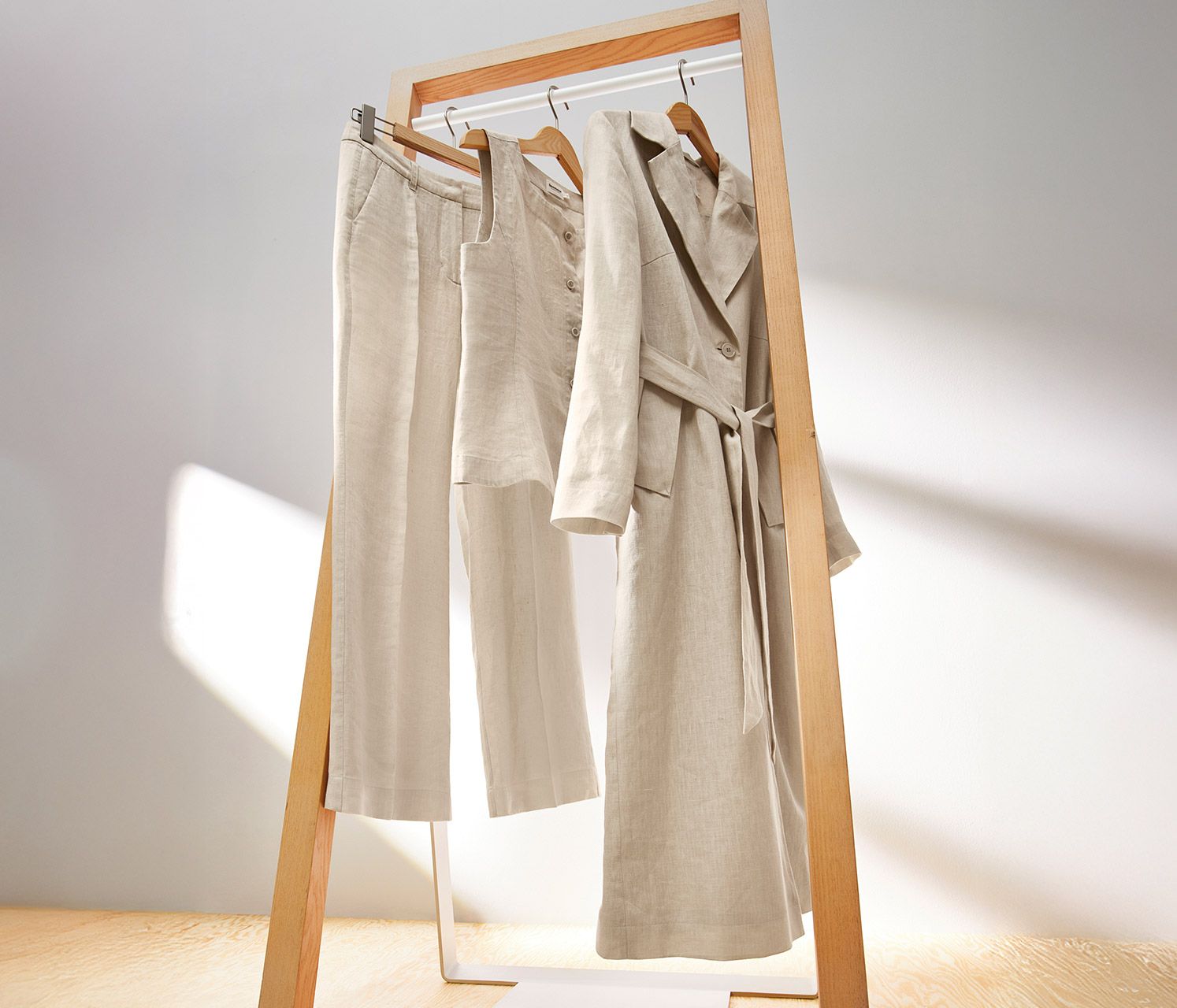
Meet our heroes: Linen from France

100% linen from France: this outfit comprising trousers, a waistcoat and a coat is one of our favourites, as linen has been one of our most popular summer fabrics for decades. Cool to the touch, subtly textured and naturally elegant. Our designer Johanna-Charlotta Eßer loves the look because it combines high quality with a clean silhouette: “Linen shows just how timeless a single material can be. Nature has always been there; the design is created in the here and now.”

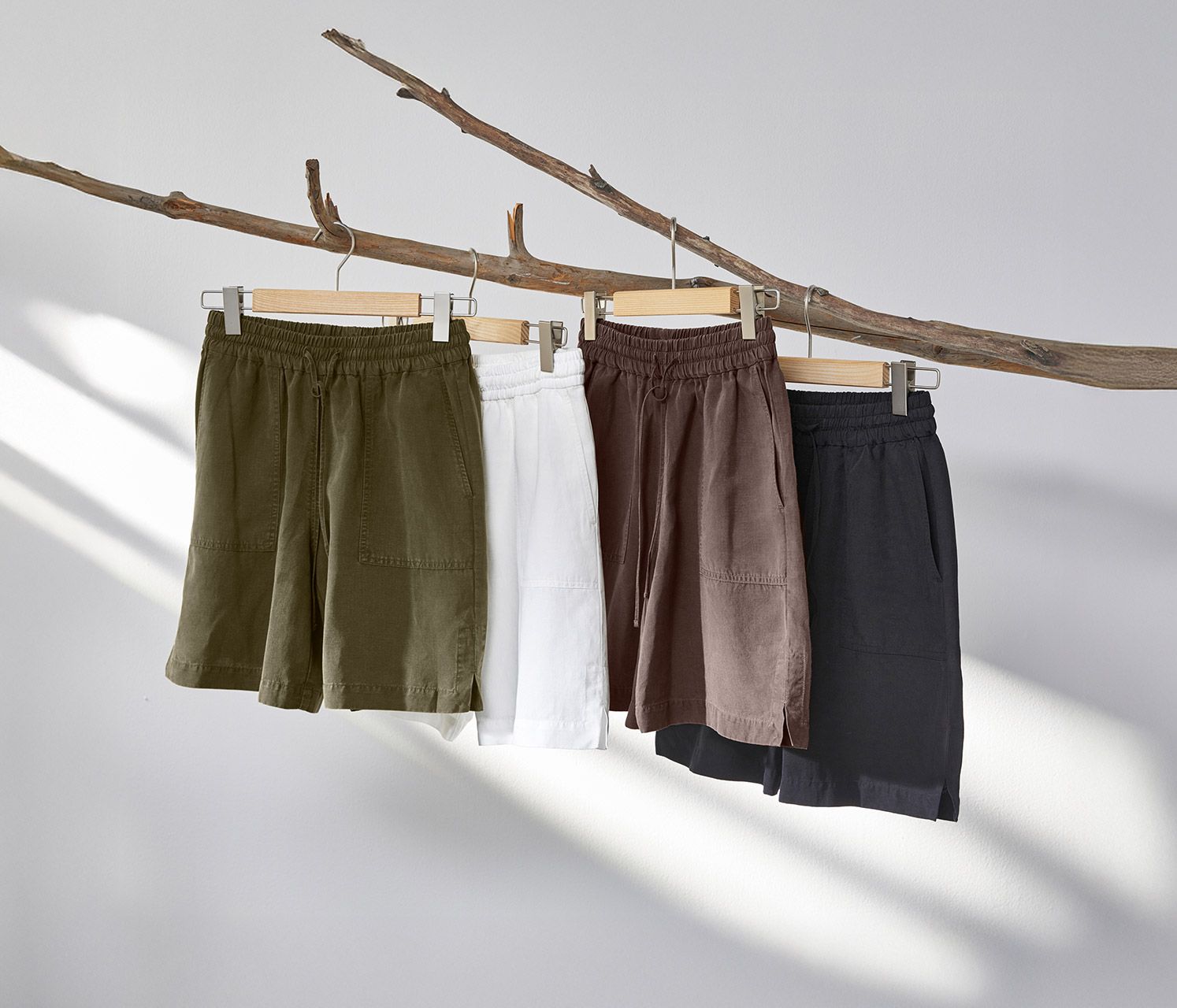
Fresh. Vibrant. Expressive.

Linen highlights in bright, vibrant colors—light and airy, perfect for summer, easy to mix and match, and full of natural ease.

An explanation of linen

How is linen made?

The fact that linen accounts for a very small proportion of the global fibre market makes it a particularly rare natural fibre. Linen is obtained from the stems of the flax plant – one of the oldest textile fibres in the world. After harvesting, the fibres are separated from the stems purely mechanically by our partners. Hessnatur linen is produced exclusively from spun flax fibres, not from chemically manufactured regenerated fibres. The result is a breathable material with the characteristic structure of linen.

What makes flax a distinctive raw material?

Flax is considered a crop that requires relatively little in the way of plant protection and fertilisation. It also has a wide range of uses: in addition to the fibres, the chaff and seeds, for example, are also processed.

Why is linen ideal for warm days?
Linen is breathable, temperature-regulating and lightweight. Because it absorbs and releases moisture particularly quickly, many people find it comfortable to wear even on warm days. However, linen clothing can also be worn all year round, for example paired with knitwear or jeans.

Why does linen sometimes look wrinkled?

Linen’s low elasticity means that linen fabric tends to wrinkle easily. Wrinkles are generally undesirable in most garments. But for linen, they’ve even been given a special name: “elegant wrinkles.” This wrinkled look is desirable; it gives every outfit a relaxed, lively appearance and highlights the authenticity of the material. Our tip: If you iron linen while it’s still damp, it becomes especially soft.

Is linen also suitable for sensitive skin?

Yes, linen is very skin-friendly and is also suitable for sensitive skin types.


How do I care for linen properly?
  • Delicate cycle at 30°C

  • Avoiding a strong spin cycle protects the fibers

  • Air-drying preserves the shape and structure